/ Overview
/ Problem statement
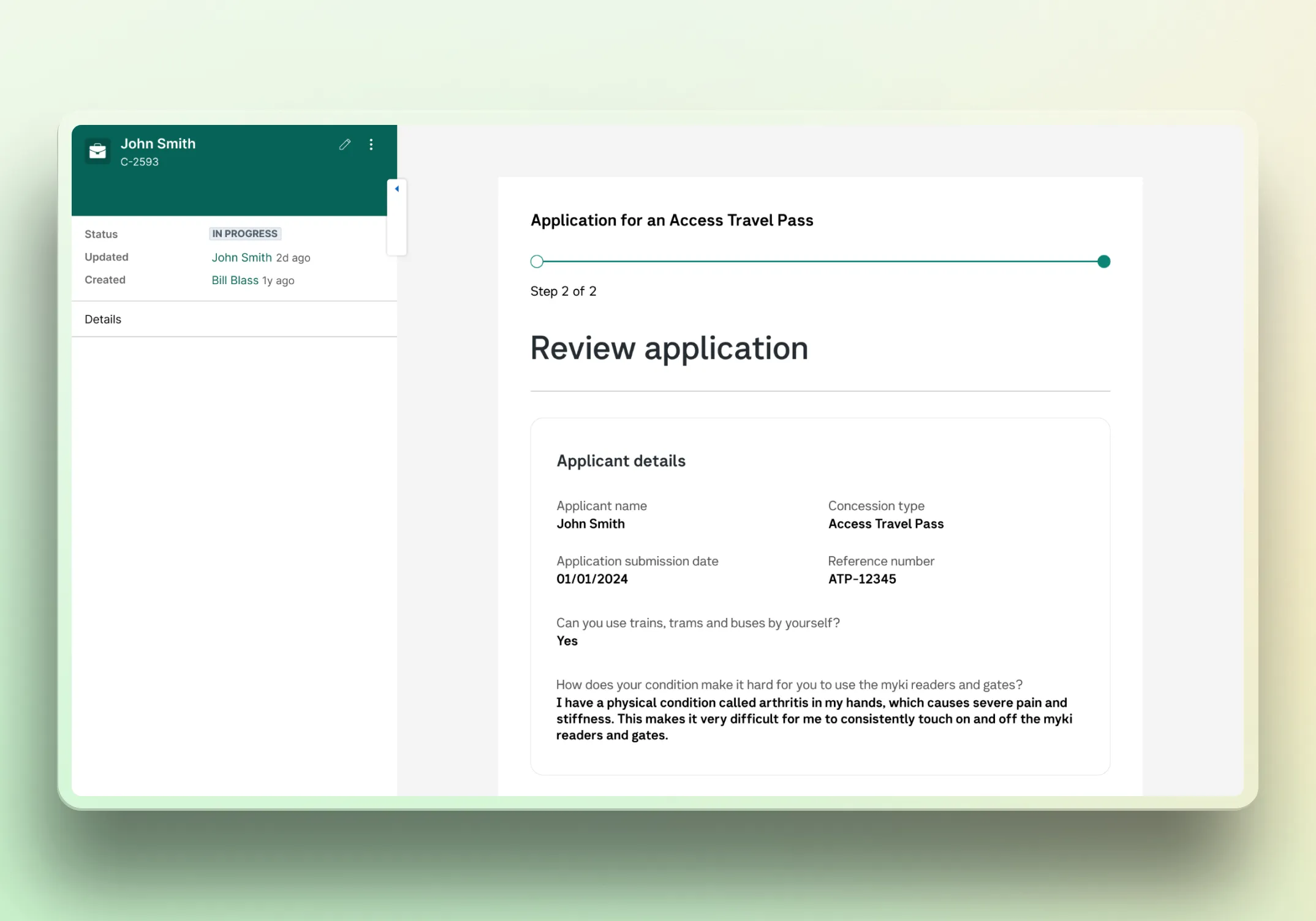
The existing concession application process was heavily manual. Verification, documentation, and archiving relied on disconnected workflows across multiple organisations and user groups.
Applicants had limited visibility into eligibility requirements, application progress, and next steps. Staff and assessors managed high volumes of concession types without consistent tooling or clear process logic. The service needed to support 21 concession types without creating 21 disconnected journeys.
/ My role
I contributed across research synthesis, UX taskflows, responsive interface design, prototyping, usability testing, and delivery support.
I worked with insights from user group discussions and co-design workshops, translating findings into taskflows that mapped actors, systems, and process dependencies across the concession ecosystem. I shaped responsive designs across mobile, tablet, and desktop, and contributed to a project design system aligned to client branding and platform constraints.
During delivery, I worked closely with developers as design and build progressed in parallel, using prototypes, sprint demos, and rapid feedback cycles to keep the experience practical and build-ready.
/ Approach
Synthesised research across user groups
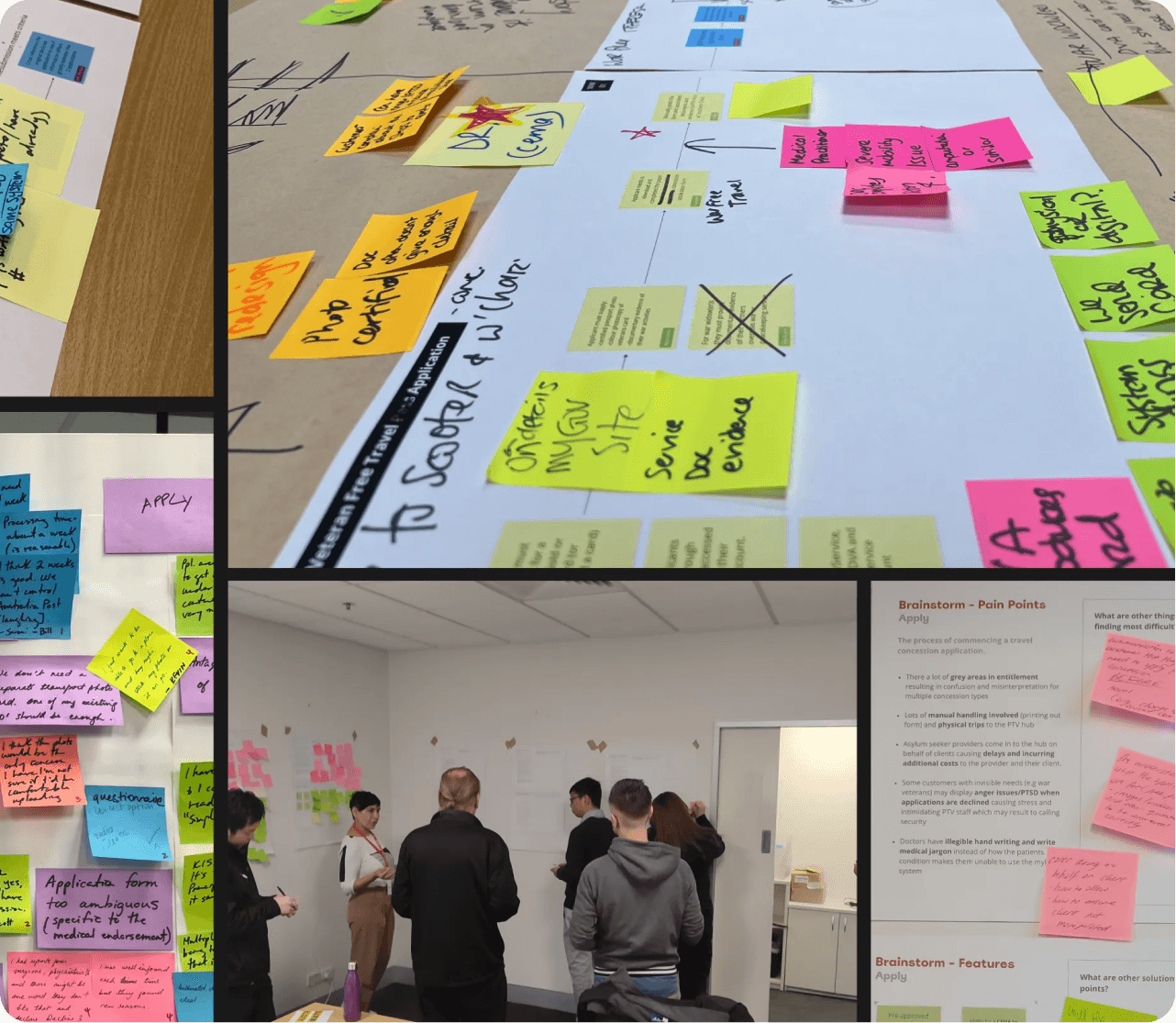
User group discussions and co-design workshops were used to understand current application pain points, transport hub staff challenges, and assessment workflows across healthcare, education, and other supporting organisations.
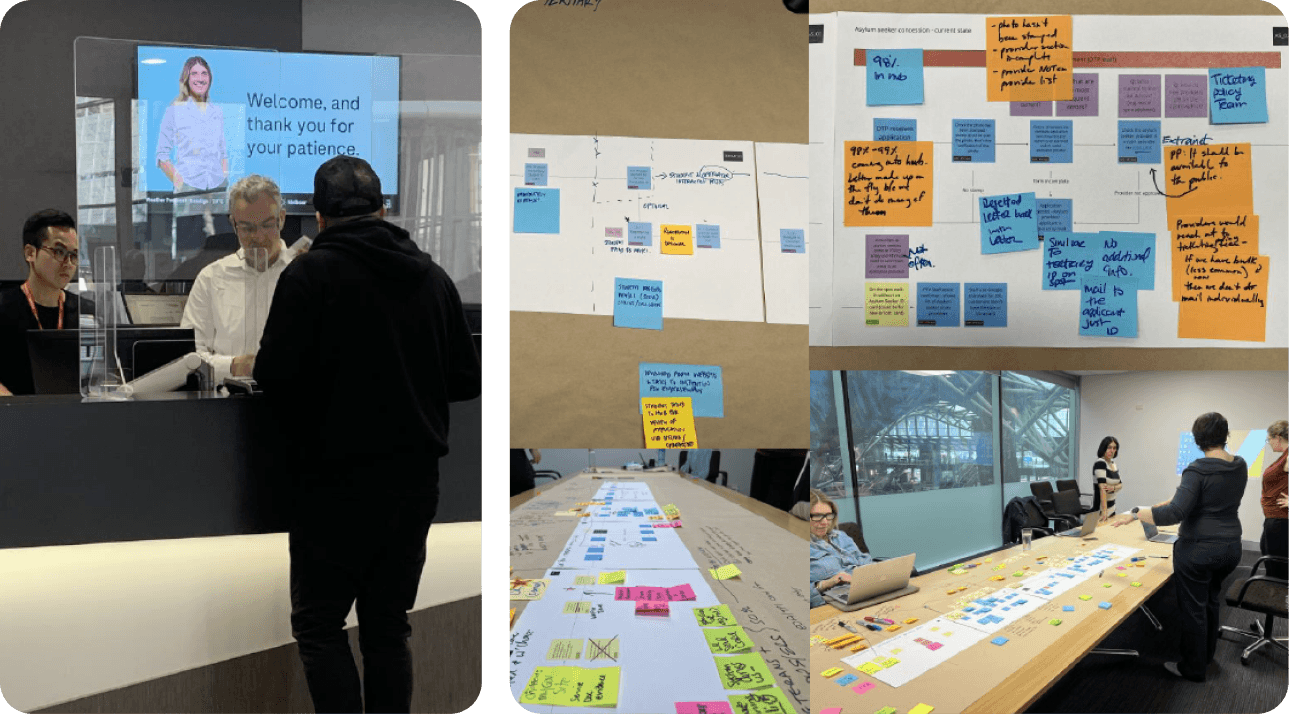
The research surfaced the need for guided questionnaires, clearer progress visibility, and a better way for users to save, store, and share concession evidence.
Mapped service logic into scalable taskflows
I helped translate research into UX taskflows that mapped systems, actors, and process dependencies across the concession ecosystem.
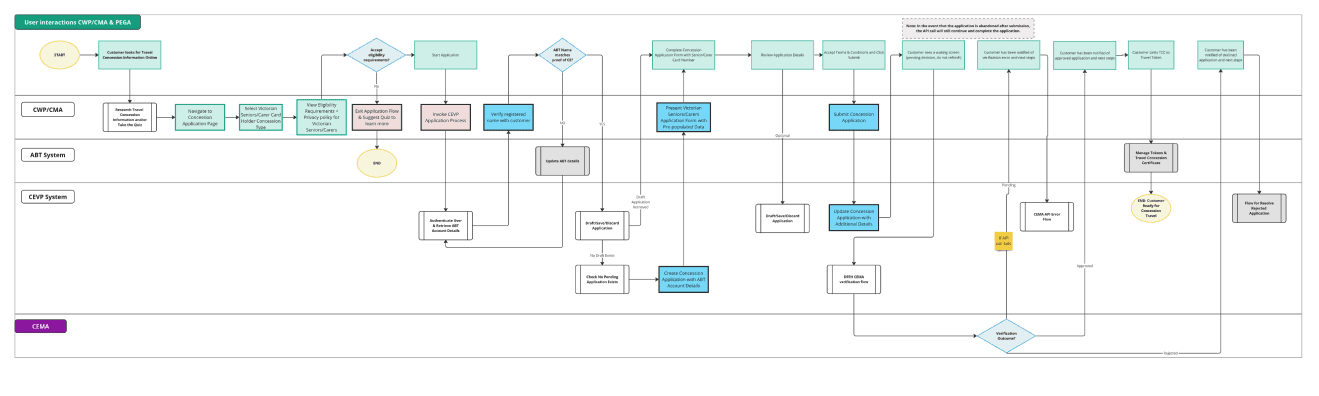
Instead of treating 21 concession types as disconnected journeys, I helped identify where pathways could be grouped, where automation could reduce manual work, and where consistent patterns could simplify the service.
Designed responsive, testable flows
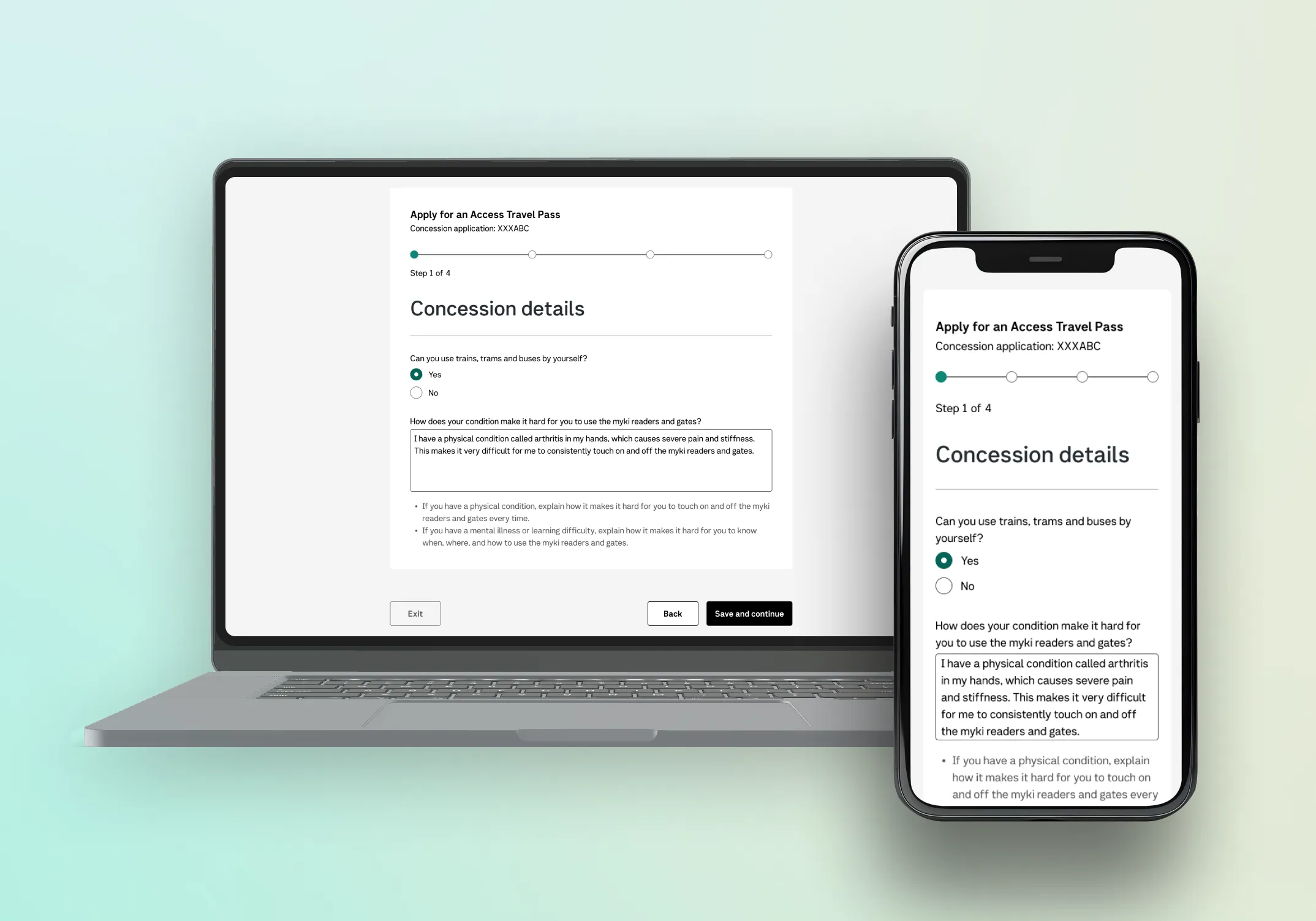
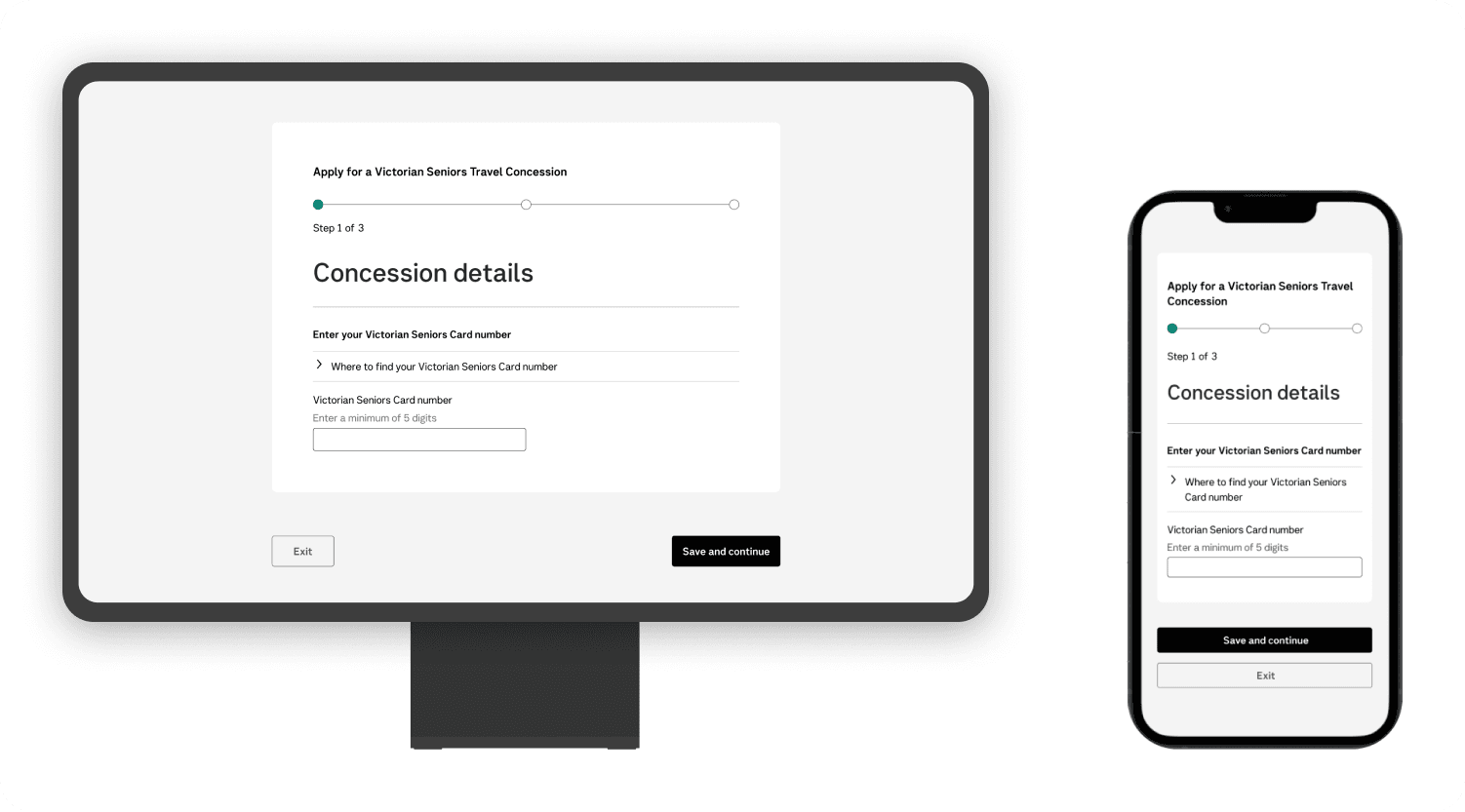
Using the taskflows and research insights, I created responsive interface designs across mobile, tablet, and desktop.
I contributed to the project design system using client brand assets and platform-aligned components, then built prototypes for sprint demos and user testing. The design focus was clarity, consistency, and feasibility within delivery constraints.
Validated and refined with users
I supported usability testing with Victorian Seniors to assess whether the application flow was clear, desirable, and easy to complete.
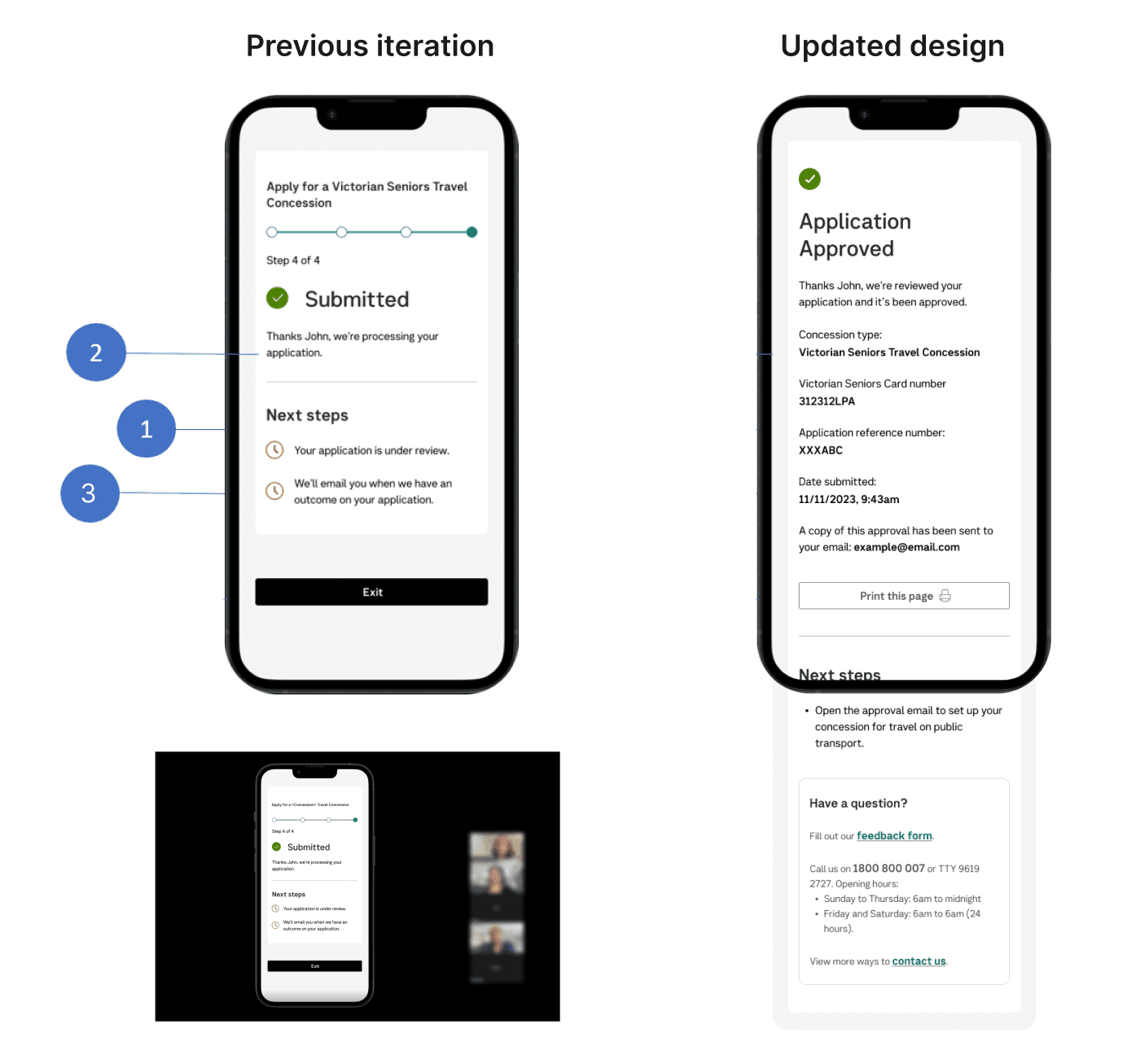
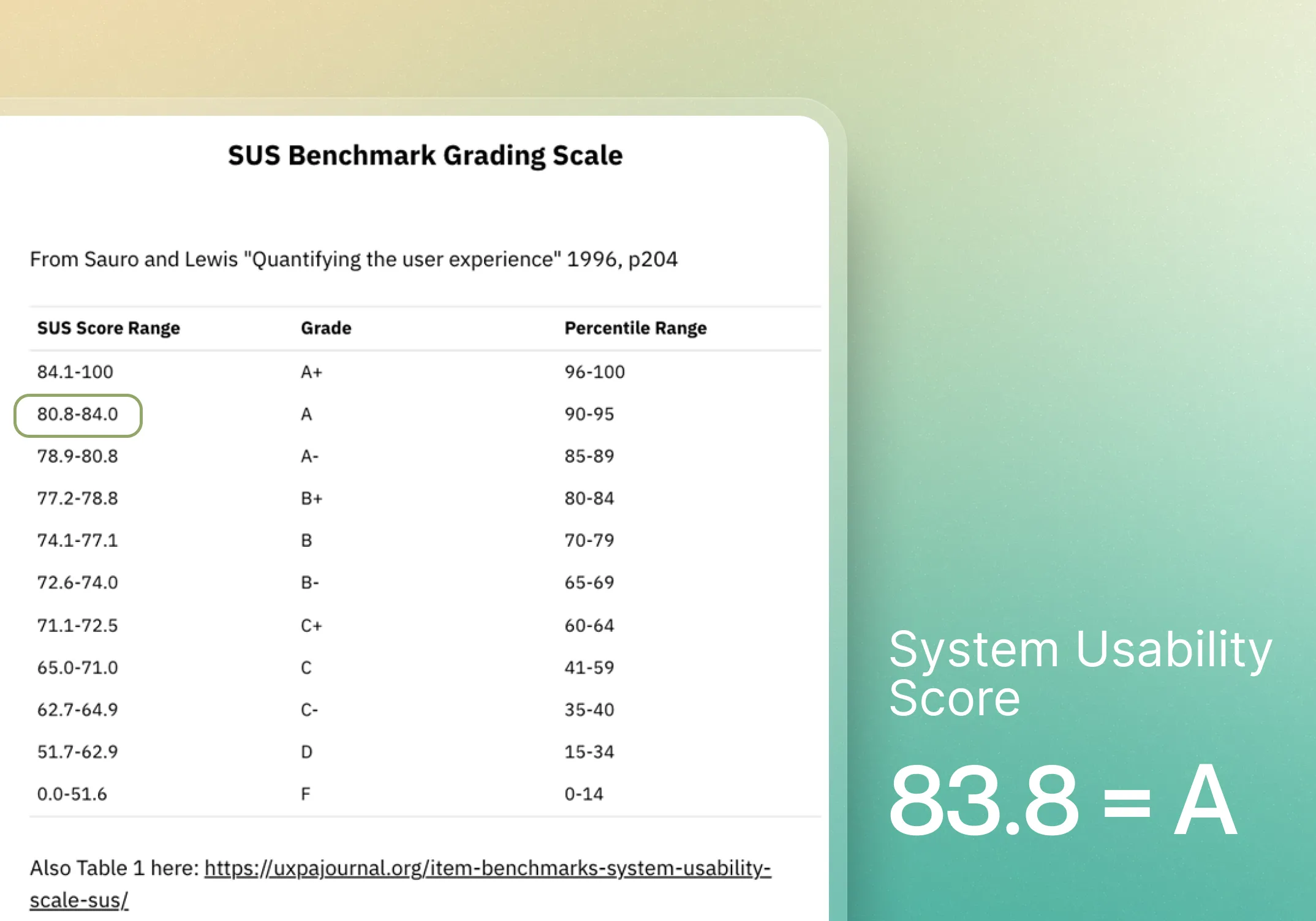
Testing returned a System Usability Scale score of 83.8, rated A, giving the team confidence in the core flow. Feedback also highlighted targeted improvements, including support contact details, application reference numbers, and options to save or print application information.
I worked closely with developers during delivery, using sprint demos and rapid feedback cycles to refine submission and approval states so the final experience better supported reassurance and follow-up.
/
Design workflow
I contributed across research synthesis, UX taskflows, responsive interface design, prototyping, usability testing, and delivery support for the concessions application experience.
I translated insights from user group discussions and co-design workshops into clearer taskflows across applicants, transport hub staff, assessors, and supporting organisations. I also helped shape responsive designs across mobile, tablet, and desktop, while contributing to a project design system aligned to client branding and platform constraints.
During delivery, I worked closely with developers as design and build progressed in parallel, using prototypes, sprint demos, and rapid feedback cycles to keep the experience practical, testable, and build-ready.
/ Challenges & Solutions
Managing complexity across 21 concession types
I helped map relationships and differences across concession pathways, then grouped similar processes through taskflows and flow design.
Reducing reliance on manual processes
I supported field research, workshop synthesis, and taskflow development to identify where automation could reduce manual effort.
Reassuring users after submission
Through testing with Victorian Seniors, I identified the need for contact details, a reference number, and a way to save or print application information, then reflected those needs in the updated designs.
/ Outcome & next steps
This project established a stronger digital foundation for travel concession applications as Victoria shifted to an account-based ticketing model.
The work helped move the service from fragmented, manual processes towards a more cohesive and scalable experience. By connecting research, taskflows, responsive UI, and usability testing, I helped shape a platform that clarified eligibility, reduced process complexity, and better supported applicants, assessors, and internal staff.
Next steps would include expanding usability testing across additional concession types and user groups, refining automation opportunities identified through taskflow mapping, improving accessibility compliance across responsive breakpoints, and supporting adoption through clearer documentation and onboarding guidance for staff and assessors.